November 5, 2026
Nearly everything you buy, from groceries and clothing to building materials and medical supplies, spends time on the back of a truck before it reaches you. When one of those trucks stops moving, the effects reach far beyond the shoulder of the highway. Drivers lose valuable hours, shippers miss delivery windows, and nearby motorists face hazardous traffic conditions. Heavy duty towing services fill a critical role in keeping this system running smoothly. These providers respond to breakdowns, recover wrecked rigs, and move massive vehicles that standard tow trucks simply can't handle. Read on to learn how professional heavy-duty recovery supports the drivers, fleet managers, and businesses that depend on the nation's highways every day.
Keeping Freight Moving After Roadside Breakdowns
Trucking forms the backbone of the American economy. According to the American Trucking Associations, trucks hauled 11.27 billion tons of freight in 2024, which made up 72.7% of all freight moved across the country by weight. With that much cargo traveling by road, mechanical failures will always happen, and each one creates an immediate need for heavy duty towing services.
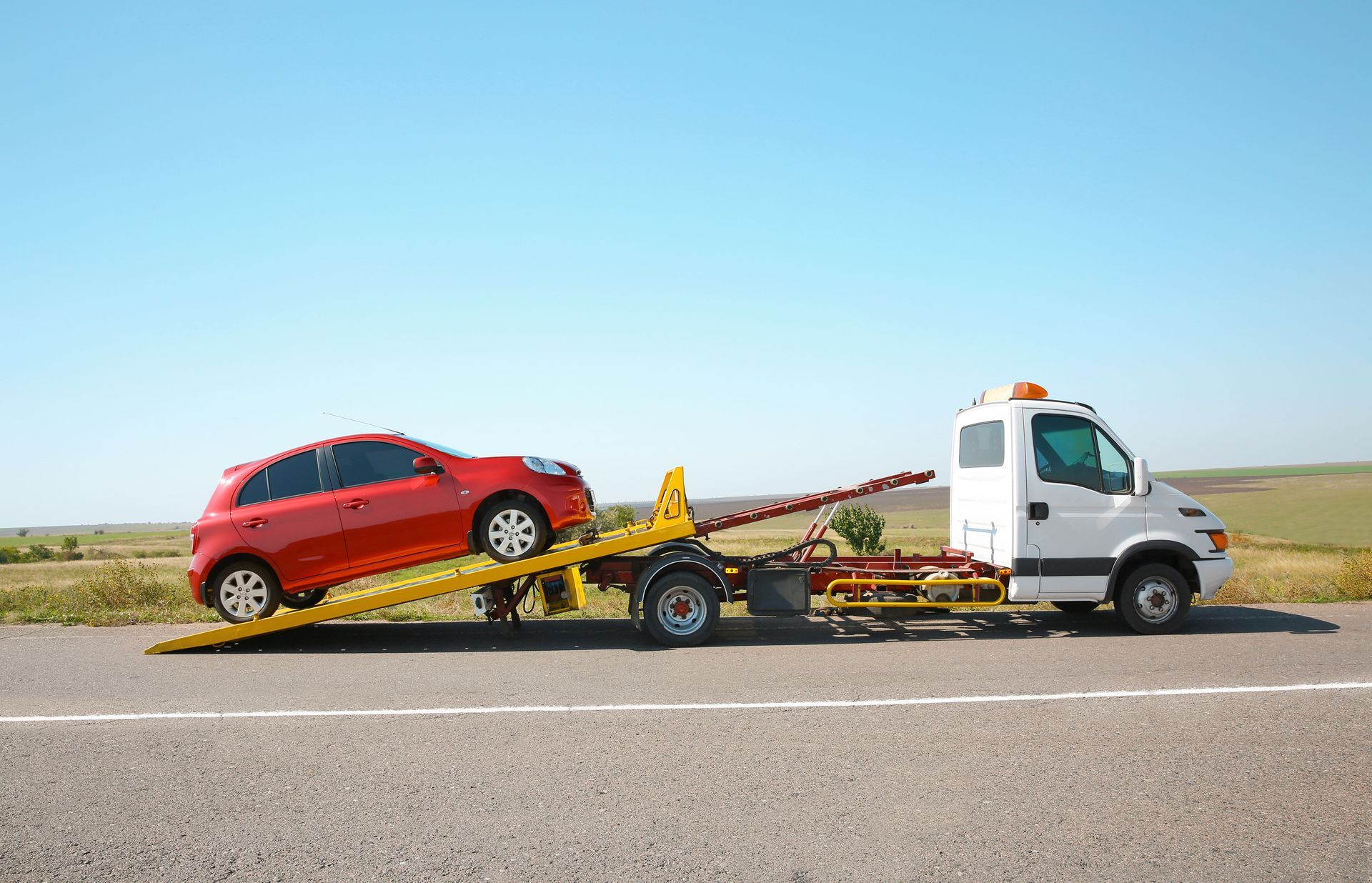
Engine trouble, transmission failure, brake problems, and electrical issues can bring a loaded tractor-trailer to a sudden stop. Commercial trucks, buses, and large fleet vehicles weigh far more than a standard tow truck can safely manage, so they require specialized wreckers and advanced equipment built for heavy loads. Professional operators know how to secure these vehicles properly and transport them to a repair facility without causing additional damage. The faster a disabled truck leaves the roadside, the sooner the driver and the load can get back on schedule.
Clearing Highways After Commercial Collisions
When a large truck is involved in an accident, the scene often becomes complicated very quickly. A jackknifed trailer or an overturned rig can block multiple lanes, creating secondary collision risks and long traffic backups. Heavy duty towing services work alongside first responders to clear these scenes as safely and efficiently as possible. Quick clearance also matters for the truck driver involved. Waiting on the side of a busy interstate exposes drivers to passing traffic, and a prompt response from a well-equipped crew reduces that risk considerably.
Accident recovery for commercial vehicles requires much more than hooking up a tow line. Operators must assess the vehicle's position, the weight distribution of the load, and the surrounding terrain before they begin. Winching services allow crews to pull trucks out of ditches, embankments, and muddy shoulders, while off-road recovery equipment helps them reach vehicles that have left the pavement entirely. Careful planning at this stage protects the vehicle, the cargo, and everyone working at the scene.
Protecting Valuable Cargo During Recovery
A commercial truck often carries cargo worth far more than the vehicle itself. Electronics, machinery, perishable goods, and retail inventory all represent significant investments for shippers and their customers. Experienced operators understand that a careless recovery can turn a minor delay into a major financial loss. They also take the time to evaluate whether a load needs to be shifted or removed before the tow begins.
Providers of heavy duty towing services use modern securing techniques and well-maintained equipment to keep both the truck and its contents stable throughout the tow. When a vehicle can't go straight to the shop, secure vehicle storage gives owners a safe place to keep their truck while they arrange repairs, process insurance claims, or coordinate cargo transfers. This level of care helps preserve the value of everything on board and reduces the likelihood of disputes later.
Reducing Costly Downtime for Fleets
For fleet managers, every hour a truck sits idle translates into lost revenue, missed deliveries, and frustrated customers. A breakdown can also disrupt driver schedules and create a domino effect across an entire route network. Partnering with dependable heavy duty towing services gives fleets a reliable plan for handling these disruptions before they happen.
Not every roadside problem requires a tow. Many providers also offer roadside assistance, including battery jumpstarts, flat tire assistance, fuel delivery, and lockout assistance, which can get a truck moving again right on the spot. When a tow is necessary, a professional team can deliver the vehicle directly to the fleet's preferred repair facility. Many towing companies also work with insurance providers and offer upfront estimates, giving fleet managers clearer cost expectations and fewer surprises.
Fleet managers can also prepare by keeping a towing provider's contact information in every cab and making sure drivers know what details to share during a call, such as their location, vehicle type, load, and the nature of the problem. This preparation shortens response times and helps the towing team dispatch the right truck and equipment on the first trip.
Providing Round-the-Clock Help on Long-Haul Routes
Trucks travel day and night, through holidays, and across every type of weather. A breakdown in the middle of the night on a rural stretch of interstate is just as urgent as one during rush hour, and drivers need help regardless of the time. Heavy duty towing services that operate around the clock give truckers peace of mind on every mile of their route.
Winter weather adds another layer of challenge. Snow and ice can cause trucks to slide off the road or become stuck, and snow towing requires operators who know how to work safely in slippery conditions. Long-distance towing also plays an important role for long-haul drivers who break down far from their home terminal. Instead of relying on an unfamiliar shop, owners can have their truck transported to a mechanic they already know.
Bringing Professional Expertise to Complex Jobs
Heavy-duty recovery ranks among the most demanding jobs in the towing industry. Improper rigging, incorrect lifting points, or undersized equipment can damage a vehicle's frame, drivetrain, or suspension, and these mistakes can put operators and bystanders in danger. That's why working with professionals matters so much when a large vehicle needs help. Attempting to move a stuck or disabled truck without the proper tools often makes the situation worse and leads to more expensive repairs.
Certified operators bring the training and field experience needed to read a situation quickly and choose the right approach. Licensed drivers understand the regulations that govern commercial vehicle transport, and established companies carry the insurance that protects their customers. Some providers even offer crane rental for situations that call for precise lifting, such as moving heavy equipment or recovering a vehicle from a difficult location. Choosing qualified heavy duty towing services means fewer complications, faster resolutions, and safer outcomes for everyone involved.
The trucking industry depends on a network of support services to keep freight moving, and towing ranks among the most essential. From roadside breakdowns and highway collisions to cargo protection and fleet downtime, heavy duty towing services help keep goods flowing to businesses and families across the country. Drivers and fleet managers who plan ahead with a qualified towing partner can face unexpected problems with confidence.
At Hawkins Towing, we've proudly served Travelers Rest, SC, and the surrounding areas since 1999 as a locally owned, woman-owned business. Our certified operators handle commercial trucks, buses, RVs, and other large vehicles with state-of-the-art equipment, and we're available 24/7 whenever you need us. If you need dependable heavy duty towing services for your truck or fleet, call us today at (864) 244-4900 to request a free estimate.