August 31, 2026
In the dynamic world of transportation, professional recovery solutions stand out as crucial tools for preventing severe roadside breakdown disasters. Commercial vehicle operations and heavy machinery require reliable transport options to manage unexpected mechanical failures effectively. Breakdowns involving larger vehicles, such as semi-trucks or buses, can cause significant traffic disruptions and pose major safety challenges on public highways. Engaging a specialized heavy duty towing service mitigates potential hazards and quickly restores operational flow. These advanced services handle complex recovery situations beyond the scope of lighter operations, ensuring overall highway safety and commercial efficiency.
Managing Large Vehicle Recoveries
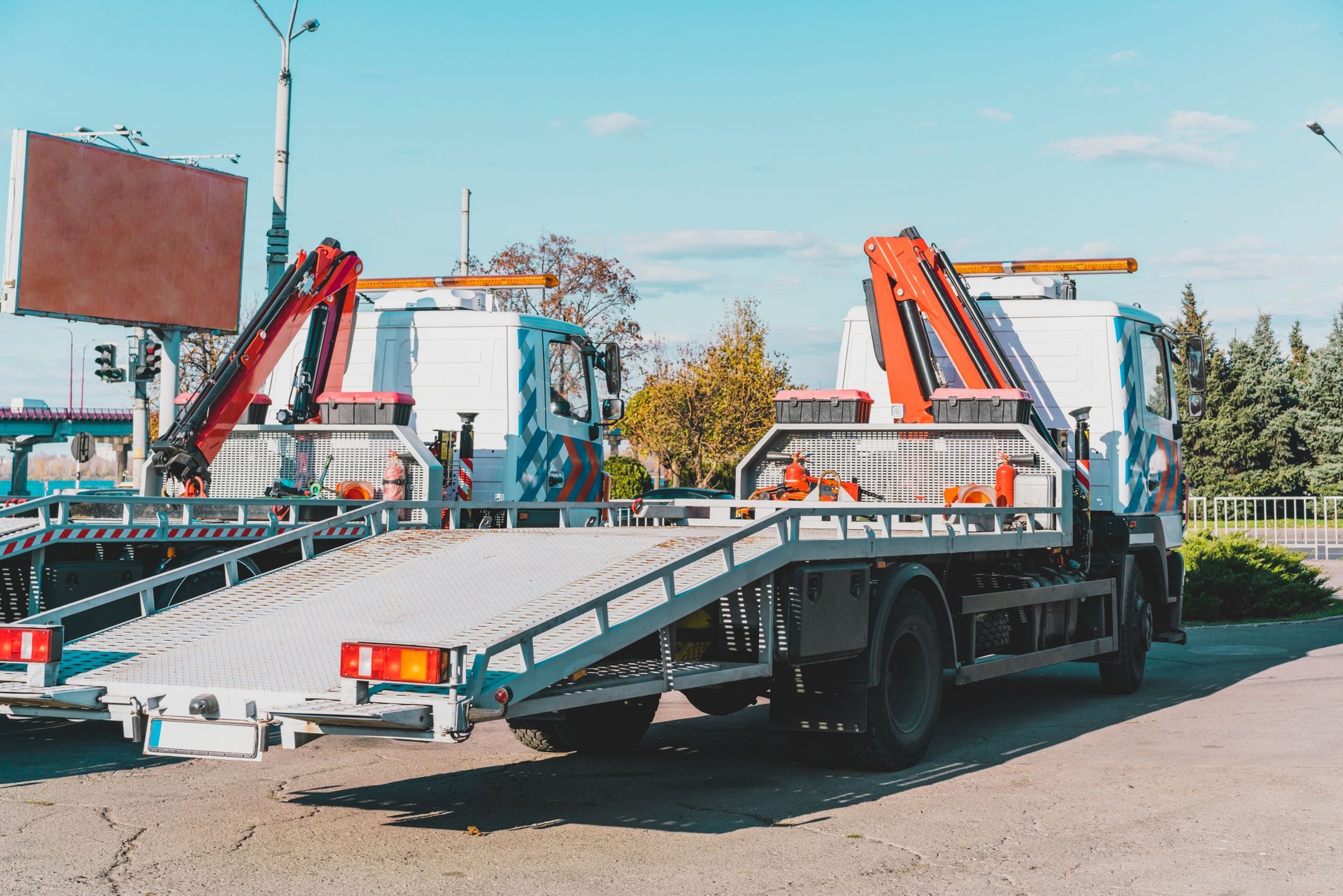
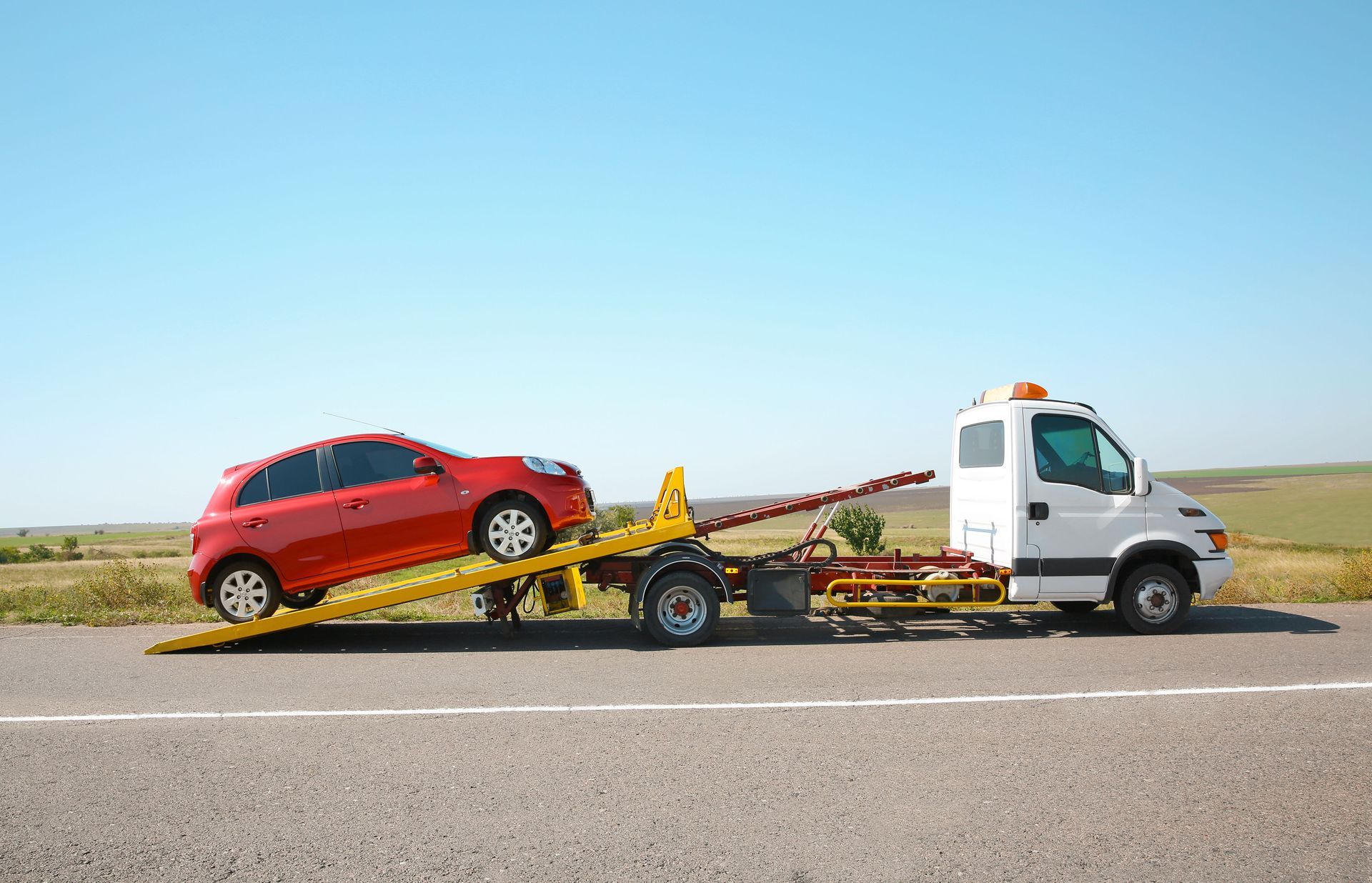
Heavy duty vehicle recovery involves transporting large equipment that cannot be managed with standard flatbeds or light winches. This specialized sector covers semi-trucks, transit buses, construction machinery, and industrial equipment requiring advanced machinery and technical expertise. The main function of a heavy duty towing service is safely moving bulky, oversized vehicles following unexpected mechanical failures or collisions. By utilizing these specialized operators, commercial fleets avoid extended downtime and operational delays. Modern recovery companies offer comprehensive solutions, including emergency roadside assistance, heavy equipment transport, and secure vehicle storage.
Servicing Diverse Commercial Equipment
Broad commercial towing solutions extend to an array of heavy-duty vehicles requiring specialized transport setups. Experienced operators regularly handle semi-trucks, large motorhomes, municipal buses, and construction machinery, including mobile cranes and bulldozers. Each equipment type demands specific rigging techniques and load distribution calculations due to varied dimensions and total gross weight. Utilizing a reliable heavy duty towing service ensures that even the most challenging recoveries proceed with precision and care. Beyond standard vehicles, these transport solutions also cater to moving stationary industrial equipment that traditional cargo trailers cannot accommodate.
Upholding Strict Industry Standards
Delivering reliable heavy commercial recovery requires companies to adhere to strict industry safety standards and acquire specialized operating certifications. These rigorous guidelines assure clients that the recovery provider possesses the technical capability to manage heavy machinery safely. Towing technicians undergo extensive training programs and safety assessments to achieve recognized industry credentials. Compliance with these standards guarantees legal operation across state lines and uplifts the overall reliability of the services provided.
Differentiating Weight-Based Towing Classes
Towing services differ primarily in the weight capacity and structural design of the vehicles they transport. Light-duty operators handle passenger sedans and motorcycles, whereas medium-duty trucks manage commercial delivery vans and small shuttle buses. Conversely, a certified heavy duty towing service manages weight-intensive tasks involving fully loaded tractor-trailers, cement mixers, and industrial machinery. The physical equipment used varies significantly, with heavy recovery requiring specialized integrated booms, wheel lifts, and high-capacity hydraulic winches. Understanding these structural differences underscores the importance of selecting the correct class based on vehicle weight requirements.
Conducting Routine Inspection Practices
Regular maintenance and thorough routine inspections are indispensable preventive measures that minimize severe vehicle breakdowns on the road. Effective inspection routines require checking critical vehicle components, including air brakes, diesel engines, and electrical systems, to ensure smooth operation. Fleet managers who prioritize routine vehicle checks foresee potential mechanical issues before they evolve into costly highway failures. Identifying and addressing mechanical concerns early reduces overall vehicle downtime and enhances road safety. Proactive fleet management protects vehicle performance while ensuring driver and public safety.
Monitoring Critical Mechanical Components
Certain vehicle components are prone to severe wear and require consistent monitoring to avoid unexpected highway failures. Fleet managers must focus closely on braking systems, tire tread integrity, battery health, and engine cooling systems.According to AAA Newsroom, the majority of auto incidents involved either towing, which accounted for around 13 million, or battery problems, which affected about 7 million drivers, showcasing the importance of monitoring these elements. Preventing roadside emergencies requires keen attention to these core mechanical parts and intervening whenever potential issues arise. Regular checks significantly reduce the likelihood of mechanical emergencies that require an emergency heavy duty towing service.
Establishing Systematic Maintenance Schedules
Establishing a strict maintenance schedule remains vital for effective fleet management, ensuring all commercial vehicles remain in optimal operating condition. A systematic maintenance program includes routine physical inspections, timely oil changes, and meticulous documentation of vehicle health records. This consistent approach minimizes unexpected mechanical breakdowns and prolongs the operational lifespan of fleet assets. Fleet managers benefit from scheduling periodic maintenance checks that align with manufacturer recommendations and specific operational demands. Thorough planning increases overall efficiency while reducing the risk of dangerous roadside incidents.
Engaging Skilled Professional Mechanics
Engaging certified mechanics for routine vehicle maintenance provides numerous operational benefits and enhances fleet reliability. Experienced technicians possess the diagnostic expertise necessary to identify subtle mechanical issues and apply corrective solutions before major failures occur. Their detailed understanding of commercial diesel mechanics ensures all repairs comply with current industry standards and manufacturer specifications. Utilizing professional repair services instills confidence in daily fleet operations, ensuring issues are resolved efficiently. Professional mechanical expertise is invaluable for preventing severe breakdowns that necessitate a heavy duty towing service.
Maintaining Detailed Equipment Logs
Keeping detailed maintenance logs serves as a practical strategy for diagnosing recurring issues and preventing sudden roadside breakdowns. Comprehensive logs provide historical records of all repairs, component replacements, and routine inspections performed on each commercial vehicle. This historical data helps fleet managers identify recurring mechanical issues and plan proactive maintenance initiatives. By analyzing accurate logs, companies make informed decisions regarding vehicle repairs, engine overhauls, and asset replacements. Detailed records foster operational accountability, optimize vehicle management, and improve long-term fleet performance.
Assessing Roadside Recovery Conditions
The commercial recovery process begins with a thorough scene assessment to determine the safest, most efficient towing methodology. This initial evaluation requires clear communication with the driver to ascertain the exact nature of the breakdown and gather critical vehicle details. Collecting key specifications allows dispatchers to send the correct recovery vehicles and certified personnel to the site. The preliminary assessment also considers location hazards, weather conditions, and traffic flow to formulate an effective recovery plan. An accurate diagnosis ensures the recovery executes safely while minimizing risks to personnel.
Enforcing Strict Safety Protocols
Safety remains the top priority during commercial recovery operations, requiring strict adherence to established industry protocols. Standard safety procedures involve properly rigging the disabled vehicle, verifying winch weight capacities, and wearing high-visibility protective gear. These precautions protect the recovery crew, the disabled vehicle, passing motorists, and surrounding roadway infrastructure. Professional towing companies invest continuously in safety updates and equipment certifications to mitigate operational risks effectively. Strict compliance with safety guidelines highlights the reliability and professionalism of an experienced recovery provider.
Mitigating Operational Risk and Liability
Professional recovery operators play a crucial role in managing liability risks associated with commercial vehicle accidents. Employing a certified heavy duty towing service helps logistics companies mitigate the risk of secondary vehicle damage during recovery, directly protecting valuable assets. Reliable recovery execution reassures business owners that strict safety standards are enforced throughout the process. Furthermore, having insured professionals manage heavy recoveries minimizes potential legal liabilities arising from highway incidents. Integrating certified recovery partners into a company's risk management strategy offers vital protection against unexpected financial losses.
Incorporating professional towing services directly into broader fleet management strategies establishes a dependable safety net for handling roadside emergencies. Comprehensive towing plans guarantee a rapid response, minimizing the operational impact of unexpected mechanical failures. Proper integration involves recognizing recovery services as core components of risk management and preventive maintenance programs. Establishing formal partnerships with certified towing providers allows logistics managers to focus on core operations, knowing contingencies are securely in place. To secure reliable, professional recovery solutions for your commercial fleet, contact the experienced team at Hawkins Towing.