October 8, 2026
Infrastructure investment plays a pivotal role in a nation's development. It not only fuels economic growth but also significantly impacts various industries. Among these, the crane rental industry thrives as infrastructure investments surge due to the increased demand for construction services and the need for modernized infrastructure. Crane rental companies have aligned themselves as critical players in supporting this sector, benefiting from both government and private sector investments. This article delves into how these investments directly and indirectly benefit the crane rental industry, showcasing growth opportunities and strategic advantages.
1. The Connection Between Infrastructure Investment and Economic Growth
1.1. Understanding Infrastructure Investment
Infrastructure investment refers to the allocation of financial resources towards constructing and upgrading physical systems essential for societal functioning. These systems include transportation networks, energy generation, and telecommunication facilities, among others. The significance of infrastructure in economic terms lies in its ability to enhance productivity by reducing transaction costs and improving connectivity. Furthermore, robust infrastructure forms the backbone of industrial development and urban expansion. As countries aim for modernization and economic competitiveness, infrastructure investment becomes a priority.
1.2. Impact on Employment and Industry Demand
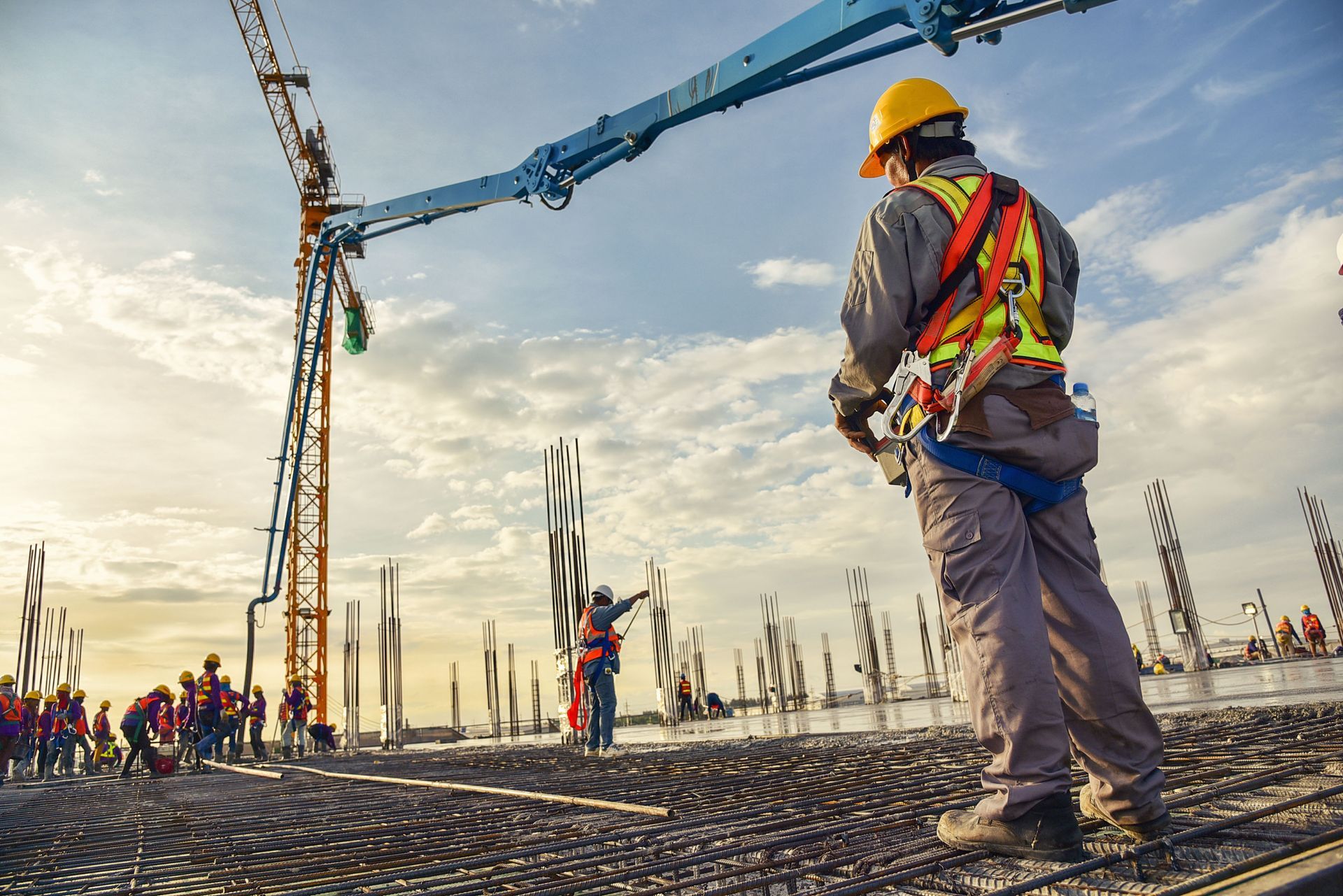
Infrastructure investment stimulates industry demand, particularly for construction and related services. As governments and private companies embark on large-scale projects, there is a substantial increase in employment opportunities in the construction sector. This increase in demand extends to the crane rental industry, as cranes are indispensable for large construction tasks. Employment growth directly translates into increased consumer spending, further driving economic growth. Infrastructure investments, therefore, have a multiplier effect, benefiting industries like crane rentals that support construction activities.
1.3. Case Studies of Successful Infrastructure Projects
Case studies of successful infrastructure projects across the globe provide insight into the benefits accrued by the crane rental industry. For instance, in the United States, the renewal of infrastructure in urban centers has created a significant demand for cranes. Large projects such as bridge replacements and airport expansions have required extensive use of rented cranes. Similarly, Europe’s long-term infrastructure plans have seen an uptick in demand for crane rentals for high-speed rail networks and energy projects. These examples illustrate how targeted infrastructure investment directly boosts demand for crane rental services.
1.4. Macroeconomic Benefits
Investing in infrastructure leads to substantial macroeconomic benefits, enhancing a country’s economic output and living standards. Infrastructure projects create jobs, reduce transportation costs, and improve access to markets, collectively spurring economic growth. The crane rental industry gains through increased leasing contracts for construction projects, driven by these investments. Moreover, as the infrastructure sector flourishes, it stimulates adjacent industries, facilitating overall economic development. Crane rental businesses, thus, find themselves on the favorable side of infrastructure-driven macroeconomic growth.
1.5. Role of Government Policies
Government policies are pivotal in fostering infrastructure development, and by extension, benefiting the crane rental industry. Policymakers implement initiatives and set budgets that prioritize infrastructure renewal and expansion. Tax incentives and government grants for construction firms often translate into increased project volume, necessitating crane services. Furthermore, regulations promoting renewable energy and sustainable construction drive investments in these sectors. For crane rental companies, aligning with these policy directions ensures sustained business growth through continuous demand for rental services.
2. Increased Demand for Cranes in Large-Scale Projects
2.1. High-rise Construction Projects
The trend of urbanization has led to a rise in skyscraper and high-rise construction projects, necessitating efficient crane rental solutions. These projects are technically complex, requiring specialized cranes for lifting heavy materials to significant heights safely. With metropolitan areas continually expanding, the crane rental industry sees increased demand from the construction of residential towers and commercial complexes. Crane rentals provide an economical solution for developers needing precision and reliability for high-rise construction. As cities grow vertically, crane rental businesses see a sustained increase in requests for their services.
2.2. Infrastructure Repair and Modernization
Repairing and modernizing a country’s infrastructure is crucial and often requires the use of cranes. Aging bridges, roads, and public transport networks necessitate comprehensive repair and replacement, heavily relying on cranes for construction logistics. These projects require not only the lifting of heavy components but also the dismantling of old infrastructure, both facilitated by cranes. The crane rental industry thus frequently partners with government and private firms engaged in these essential projects. Consequently, investments in infrastructure modernization directly contribute to increased crane rental activities.
2.3. Renewable Energy Installations
The global shift toward renewable energy sources has accelerated the demand for cranes in the installation of wind and solar energy projects. Wind turbines, often situated in remote and challenging locations, necessitate cranes for tower erection and maintenance. Similarly, large-scale solar farms require cranes for positioning heavy photovoltaic panels and other equipment. With renewable energy playing a pivotal role in infrastructure planning, the crane rental industry benefits substantially from the associated logistics needs. This shift is driven by both environmental considerations and supportive government policies.
2.4. Transportation and Logistics Support
Infrastructure investment streamlines transportation and logistics, increasing the demand for crane services. Port expansions and the development of new logistics hubs require cranes for loading, unloading, and assembly operations. Additionally, freight yards and distribution centers leverage cranes to manage materials efficiently. The crane rental industry plays a vital role in supporting these logistics operations by adapting to the specific needs and requirements of transportation projects. As more countries focus on improving logistic networks, the demand for crane rentals is expected to rise.
3. Advancements in Crane Technology
3.1. Adoption of Smart Technologies
Advancements in smart technologies have revolutionized crane operations, making them more efficient and attractive for rental business. These technologies include real-time monitoring systems that enable predictive maintenance and reduce downtime. Smart cranes equipped with cutting-edge sensors increase safety and efficiency, making them preferred options for construction companies. The adoption of such technology enhances the appeal of crane rentals, meeting the demands of modern infrastructure projects. Consequently, crane rental companies that invest in smart technology stand to gain from increased client satisfaction and demand.
3.2. GPS and Fleet Management Systems
GPS and fleet management systems play a crucial role in optimizing crane rental operations. These systems provide detailed insights into equipment location, utilization, and performance, improving operational planning. Enhanced fleet management enables better allocation of resources, minimizing transportation time and optimizing equipment deployment. Crane rental businesses increase from reduced operational costs and improved service delivery, leading to higher client retention and profitability. For infrastructure projects requiring timely completion, the efficiency provided by GPS and management systems is invaluable.
3.3. Safety Innovations and Automation
Safety innovations and automation have transformed the crane rental industry by improving operational safety and reducing human error. Advanced safety features such as anti-collision systems and load monitoring contribute to safer work environments. Semi-autonomous crane operations enhance precision and productivity in handling complex lifting tasks. Automation has also reduced the reliance on manual labor, minimizing the risks associated with human intervention. The implementation of these technologies not only attracts more clients to crane rental services but also increases their competitiveness in the market.
In conclusion, the crane rental industry experiences substantial benefits from infrastructure investment, driven by growing demand across various sectors. Infrastructure projects fuel economic growth, creating a significant market for crane rentals through increased construction activity. Technological advancements and strategic collaborations further enhance service offerings and operational efficiency, securing competitive advantages. Financial planning and risk management optimize business sustainability, positioning rental companies for continued success. As infrastructure investment remains a global priority, the crane rental industry stands to reap continued rewards, aligning growth strategies with future infrastructure developments. According to Global Market Insights, the U.S. crane rental market reached USD 6.0 billion in 2025, driven by infrastructure renewal, renewable energy projects, and industrial construction. Be sure to reach out to Hawkins Towing for more information on our professional crane rentals!